(and why that’s about to change for you)
Fewer than 1 in 10 capital raises in NZ go to product companies. We think that’s wild, and here’s what we’ve learned about turning it around.
Okay, let’s talk numbers for a second …
Fewer than 1 in 10 tracked capital raises in New Zealand went to physical product companies last year. Under 7% of all deals. And about 70% of those went to businesses raising again, not new ones. So if you’re building something you can actually hold in your hands (e.g. food, drink, skincare, gear, paint), it can feel like you’re up against some real odds.

Here’s the thing though: we don’t think that’s because your business isn’t fundable.
We think it’s because the traditional advice was never built for you. PledgeMe have spent over a decade backing hundreds of physical product founders, and we’ve watched the same three things trip people up, over and over.
But Good News! All three are completely fixable, and we want you to skip past them.
You don’t have to chase Venture Capital
So much startup advice assumes VC is the finish line. Angels, then seed, then Series A, as if there’s one singular path and everyone’s on it.
Except that path was built for software. VCs need 10 to 20 times their money back within ten years. Your skincare brand, your brewery, your food company, chances are it’s growing steadily and beautifully, not exponentially. And honestly? That’s a great business. It just needs a different kind of backer.
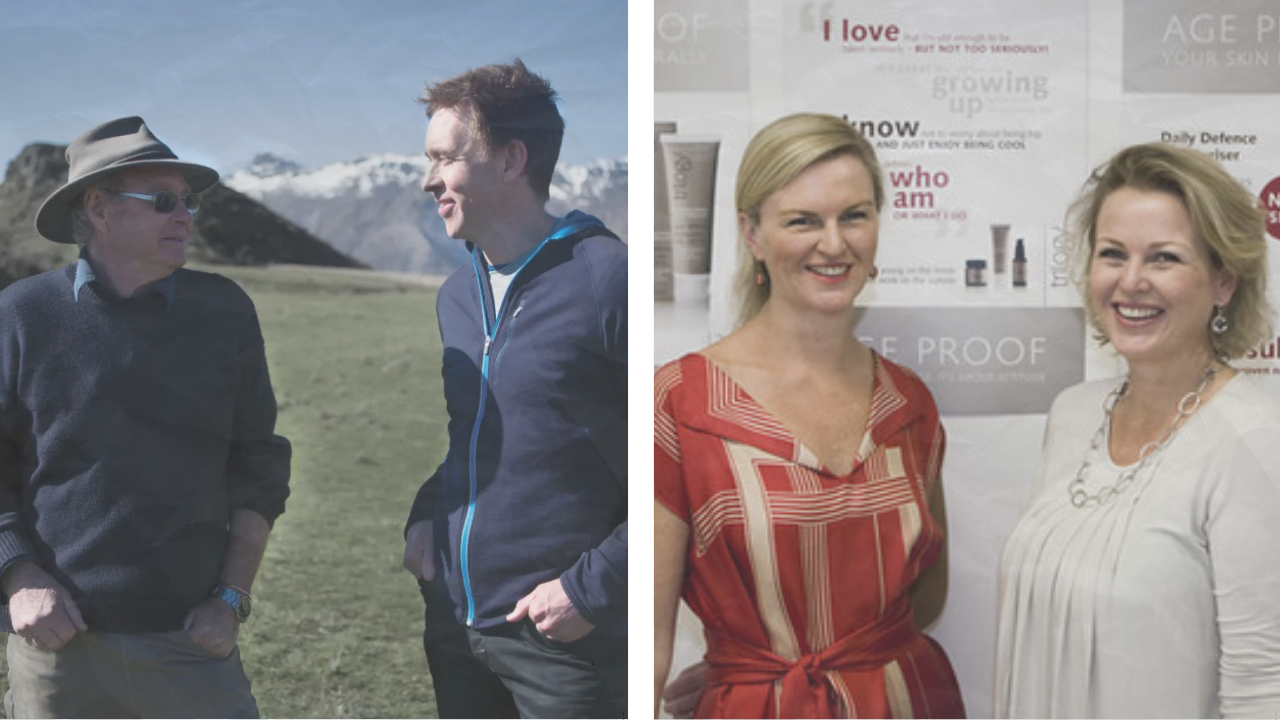
We love telling the Trilogy story for exactly this reason. These sisters grew their natural skincare brand their own way, sold to Ecoya for $20 million to fund the next chapter, then sold again seven years later for $211 million. No VC in sight. Jeremy Moon did something similar with Icebreaker: eight investors, mostly friends’ parents, chipped in $200,000 at the start. Twenty-four years later, he sold for $288 million.
“Most physical product companies in NZ aren’t built for Venture Capital timelines.”
Slow and steady really can build something extraordinary. We just don’t hear that story enough.
A great product still needs a growth plan
We say this with so much love: making something people love is genuinely wonderful, and it’s not the same as having a growth plan. Investors aren’t funding your idea, they’re funding where it’s headed!

This means knowing your margins. It means being able to say, clearly, what makes you different and why someone couldn’t just copy it. It means having a real answer to “what does our money actually unlock for you?”
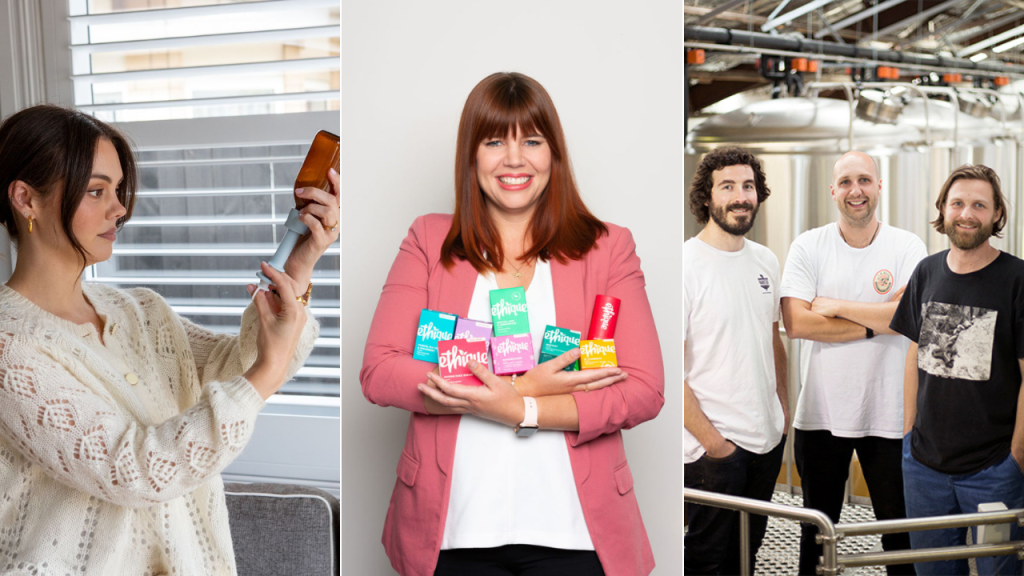
Brianne West is one of our favourite examples of getting this right. Before she ever opened an equity raise for Ethique, she’d already built a crowd, at markets, on Facebook, one honest conversation at a time. Every campaign she ran delivered more than it promised. By the time investors showed up, she’d already proven the demand was real.
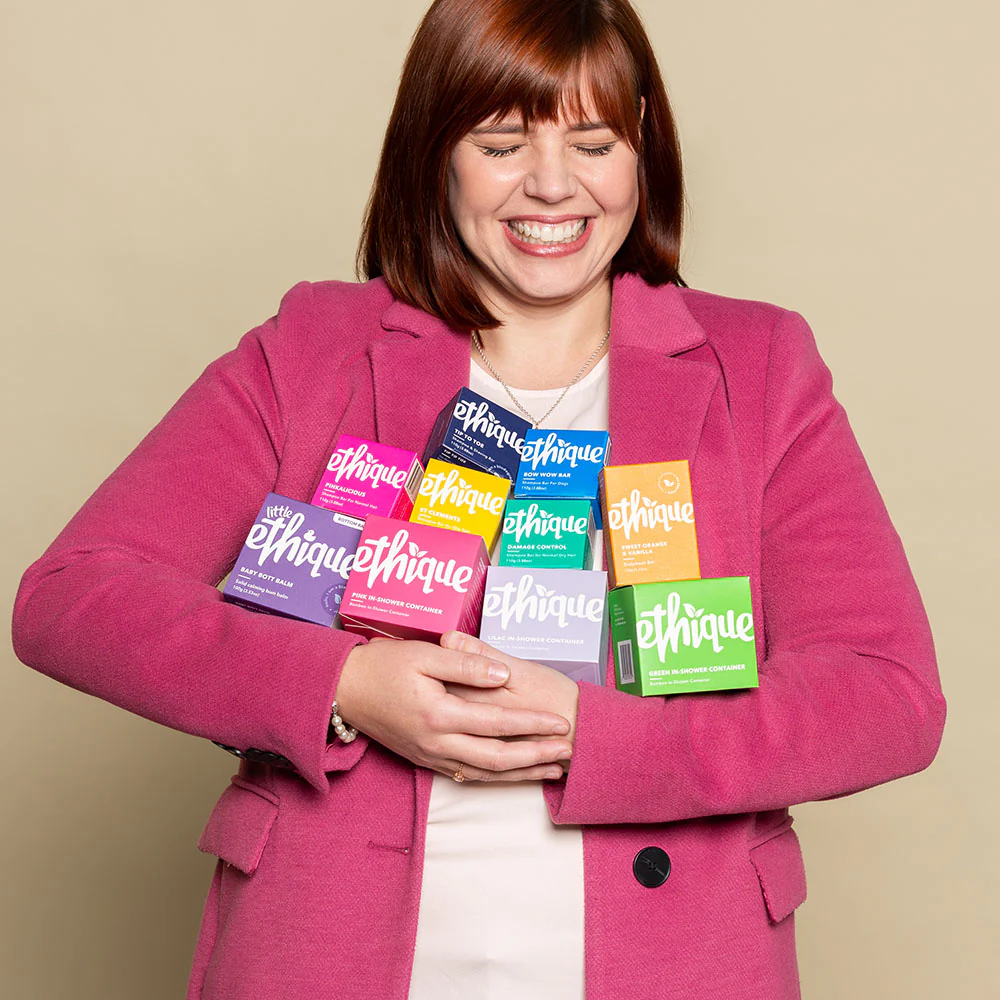
That’s a growth plan you can point to. Not a spreadsheet full of hope, a demonstrated ability to find your people and deliver for them.
What Investors are actually looking for:
Lets break it down:
- A team that can deliver. Founders who’ve done this before, or who’ve surrounded themselves with people who have. Investors back people first, always.
- A market big enough to matter. New Zealand is your proof of concept, not necessarily your whole destination. Think Australia, the US west coast, Japan.
- A plan with real numbers behind it. A believable path from today to real revenue, not vibes.
Here’s what makes us so excited about this space: the deals are happening. We funded 20 food and product companies in 2023 alone, double what the main industry Field Guide tracked. The visible headlines still lean tech, but there is real capital out there for you, if you show up prepared.
If you’re a physical product founder thinking about your next raise, we’ve put everything we’ve learned into one place, just for you.