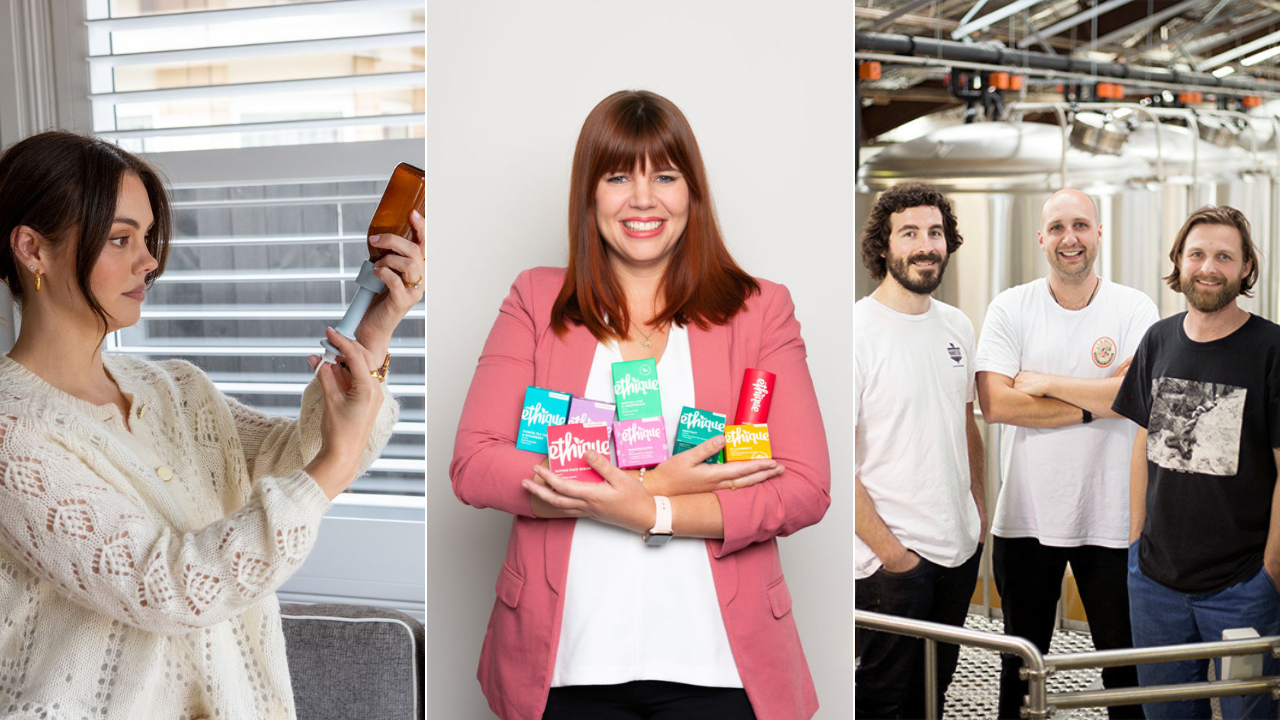
Parrotdog, Ethique, DoseBuddy.
Three very different businesses, three very different paths, one thing in common: they prepared before they raised. We love telling these stories, and we think you’ll see yourself in at least one of them!
From these stories alone, we can gather that there’s no single right way to raise money for a physical product company. There’s the path that fits your business, your crowd, and your moment.
Parrotdog: Choosing your people over “institutional money”
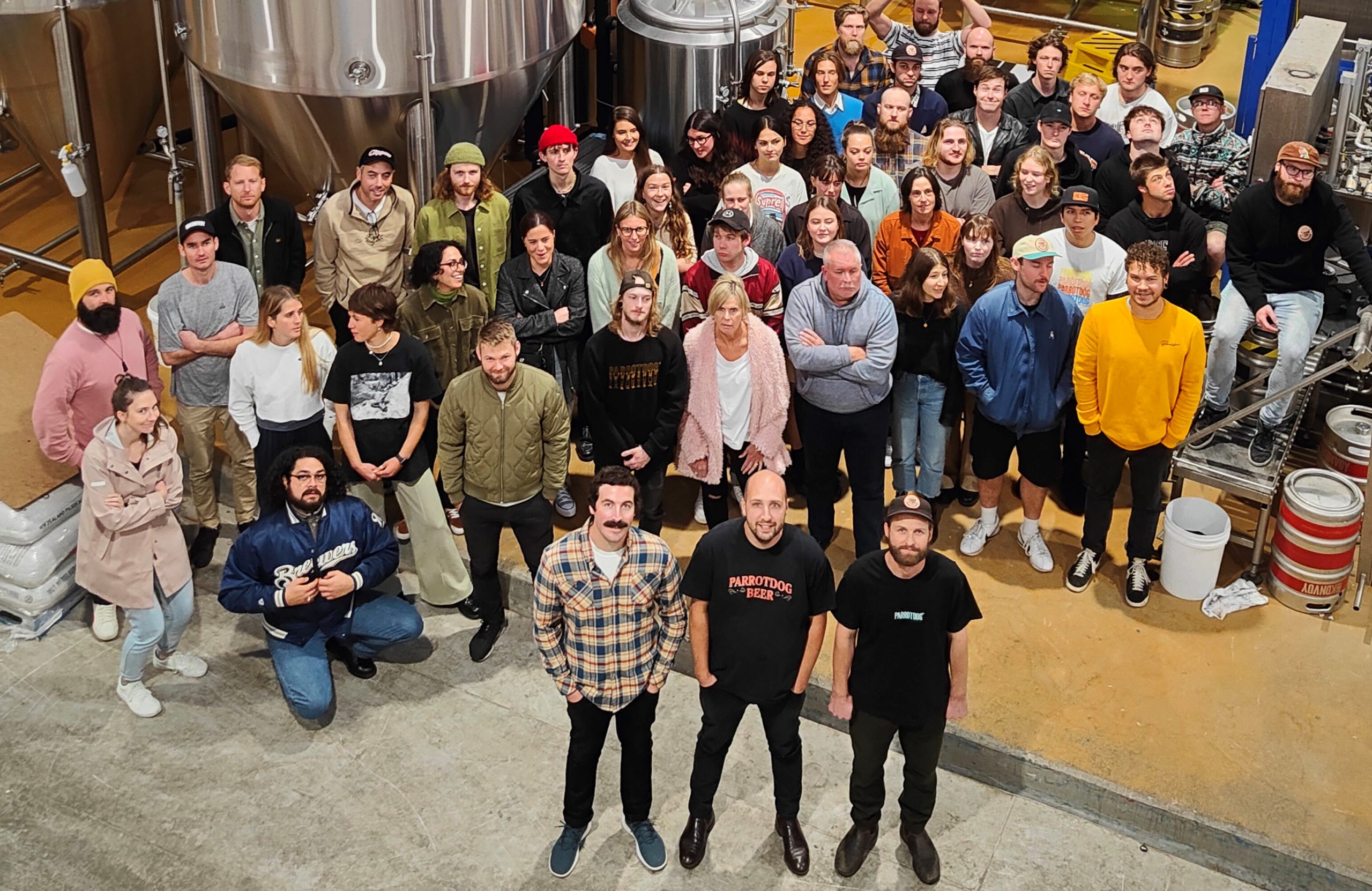
The tree Matts started brewing in a Wellington flat back in 2011, funded on credit cards and drive. By 2016, growth meant a real decision: to take institutional money, or turn their crowd into shareholders.
They chose the crowd, and then they built a plan to make it count.
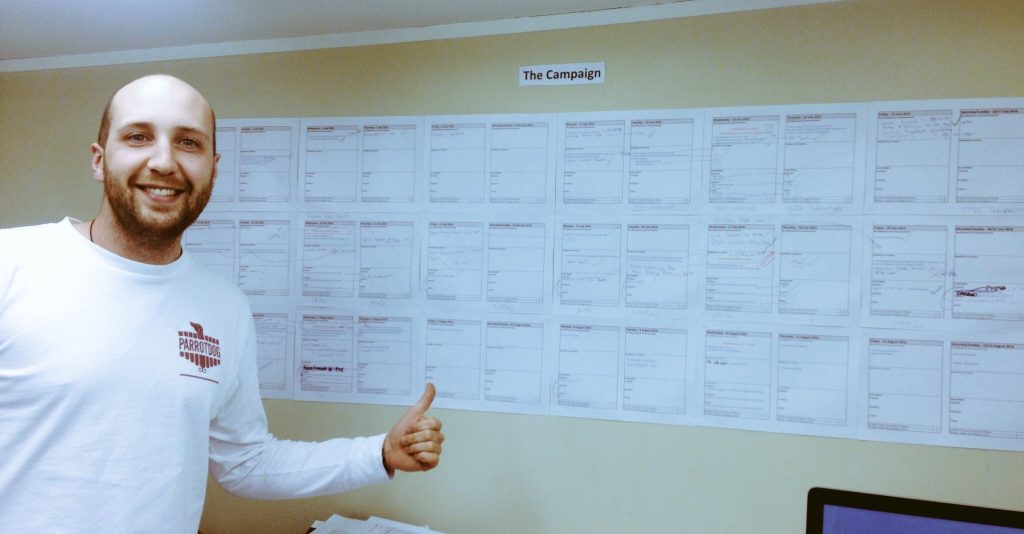
A day-by-day strategy went up on the wall. They grew their investor newsletter from 800 to 4,000 subscribers. They released the offer document a week early. They hosted an in-person investment evening. Their pitch video reflected who they were as people, rather than an attempt to imitate the standard corporate deck.
The result still gives us chills: $1.2 million minimum hit in 12 hours. $2 million raised in two days! 796 new shareholders who’d already been drinking their beer for years.
“Did we want a big daddy investor, or a crowd who’d drink beer with us?”
– The Matts, Parrotdog
We love this one because it’s such a clear reminder: the question isn’t just how much to raise, it’s who you want sitting around your table afterwards. A crowd of 796 brand advocates is a very different thing to one institutional investor with a board seat. Both are valid. Just be sure which one you actually want.
Ethique: Build your crowd before you need them

Brianne West was only 25 when she started making solid shampoo bars in her Christchurch kitchen. Her first investor came out of a campus pitch competition.
From there, she raised $200,000 in two weeks through equity crowdfunding, and two years later, $500,000 in 90 minutes, matched by angel investors.
When Ethique sold in 2020, her earliest crowdfunders walked away with a 48x return. We still can’t quite get over that number!
But here’s what really gets us excited about Brianne’s story: she didn’t open a campaign and waited hoping people showed up. She built her crowd first, at markets, on Facebook, telling the plastic-free story again and again, honestly. Every campaign delivered more than it promised, which made the next one that much easier.
“We have a purpose and a story people resonate with. It’s a fun product, everybody uses it, and it’s not hard to explain.”
– Brianne West, founder of Ethique
By the time Ethique reached 22 countries and 8,000 retailers, it wasn’t because the brand went viral overnight. It was years of consistent honesty turning customers into believers, and believers into investors.
DoseBuddy: 4,000 people waiting before the campaign even opened

Sasha had a sick child, a syringe with markings rubbed clean off, and a question every parent has probably asked at 3am: for something so essential, why isn’t this better?
She strapped up, took a loan to fund the first prototypes, then turned to rewards crowdfunding for her first production run. But before that campaign opened, she did something we wish every founder would do …
She built a waitlist, 4,000 people strong, through a simple sign-up form with a video telling DoseBuddy’s origin story, smart Meta lead ads, a real push across TikTok and Instagram from her own personal accounts, and honest, diary-style emails instead of polished automated ones.
The campaign hit its goal in 3 hours, and finished at almost 3x the target.
Then she kept going: stretch targets, transparency about where the extra money would go, a competition for early pledgers, ongoing conversations with everyone who’d backed her.
Because remember, “People don’t pledge to products. They pledge to people.”
What all three have in common
Again, three totally different businesses, three totally different crowds. But scratch the surface and the same threads show up every time.
- They built relationships before they asked for anything. Parrotdog grew their newsletter. Ethique sold at markets. DoseBuddy built a waitlist. None of them opened cold.
- They delivered on what they promised. Every Ethique campaign overdelivered. DoseBuddy hit stretch targets. Parrotdog sent personalized bar handles to $2k+ investors. Trust really does compound.
- They told the truth. Not the polished PR version. The real one, sleepless nights, kitchen benches, credit cards, the messy and human parts of building something from nothing. People connected and backed them for exactly that.
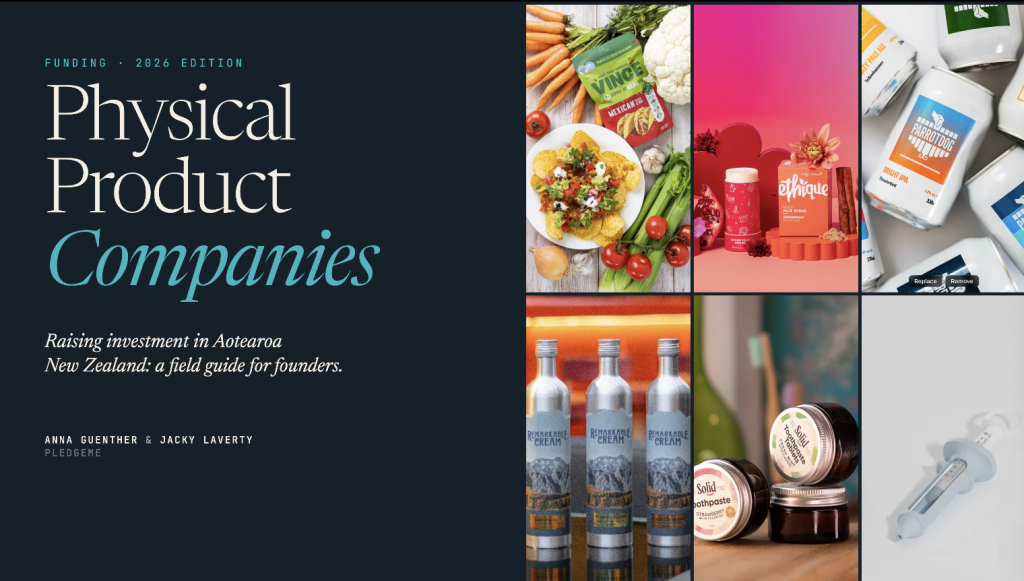
If you’re building a physical product company and thinking about your next raise, the Physical Product Field Guide tells the full story, every funding pathway available to NZ founders, and what investors are genuinely looking for when they assess a product business.