The work you do before a raise is what determines whether it actually happens. We want to walk you through it.
Here’s something we see all the time: founders pour their energy into the pitch, the deck, the investor meetings, and completely underestimate the work that comes before any of that.
But the founders who raise successfully, the Parrotdogs, the Ethiques, the DoseBuddys, did most of the important work months before they ever opened a campaign. We want to save you some of the guesswork and share exactly what that looks like.
Begin with 3 Honest Questions
Before you even think about who to approach or how much to ask for, sit with these three questions.:
1. Can you make money, and profit, at scale?
Not just today, at your current size. What happens when you’re making ten times as much? Do your margins get better, stay flat, or start to crack? If you’re not sure, that’s completely okay, it just means this is where to focus first.
2. What makes you genuinely different?
Why you, why now, why not someone else doing the same thing? This is a question investors will ask, and we promise the honest version of your answer is more compelling than the polished one. If you live with this problem yourself, say so. If you’ve got relationships or know-how nobody else can easily copy, name them.
3. What will actually grow this business?
How do you scale without your costs growing at the same rate? For product founders, this is often brand, retail distribution, export markets, or new product lines. Get specific about which lever is yours to pull.
Build your three forecasts
A growth plan is really just a story about how your business gets from here to a strong, defensible future. And that story needs numbers to back it up.
You’ll want three forecasts, not one:
Profit & Loss, monthly, 36 months. What you sell, what it costs, what’s left over. This is the heartbeat of your business, and it should show a believable path to breakeven.
Balance Sheet, quarterly, 12 quarters. What you own, what you owe, what’s actually yours. Investors want to know you’re not just profitable on paper, but genuinely solvent.
Cashflow, weekly, 52 weeks. This is the one that catches people out. You can be profitable and still run out of cash. A weekly cashflow forecast means you see trouble coming with enough time to actually do something about it.
Breakeven just means you’ve stopped bleeding cash. It’s the most important milestone, more than making heaps of profit. Have a believable plan that gets you to breakeven in year three.”
– Jeremy Moon, founder of Icebreaker
Get your paperwork sorted early
Investors will ask for certain things, and having them ready before you’re asked builds trust from the very first conversation.
- Shareholders’ agreement and cap table (who owns what)
- IP registrations and any key contracts
- Two to three years of financial accounts, or management accounts if you’re newer than that
- Any grants, loans, or outstanding liabilities
- A tidy data room where all of it lives, so nothing is a scramble
You have to be prepared when you’re raising capital. Think of it as selling part of your business. Know where every key document lives. Read before you sign. Get a lawyer who knows capital raising.”
A tip we love from Chris Thomas, Duncan Cotterill
Build your crowd before you need them

Something we say a lot at PledgeMe: the founders who raise fastest have been building relationships with their future investors for a long time before they ever ask for anything. Not pitching, just staying in touch, sharing updates, doing what they said they’d do.
DoseBuddy got 4,000 people onto a waitlist before their campaign even opened, just through a simple sign-up form, some smart Meta ads, and honest, personal emails about why the product exists. By launch day, their crowd was already leaning in.
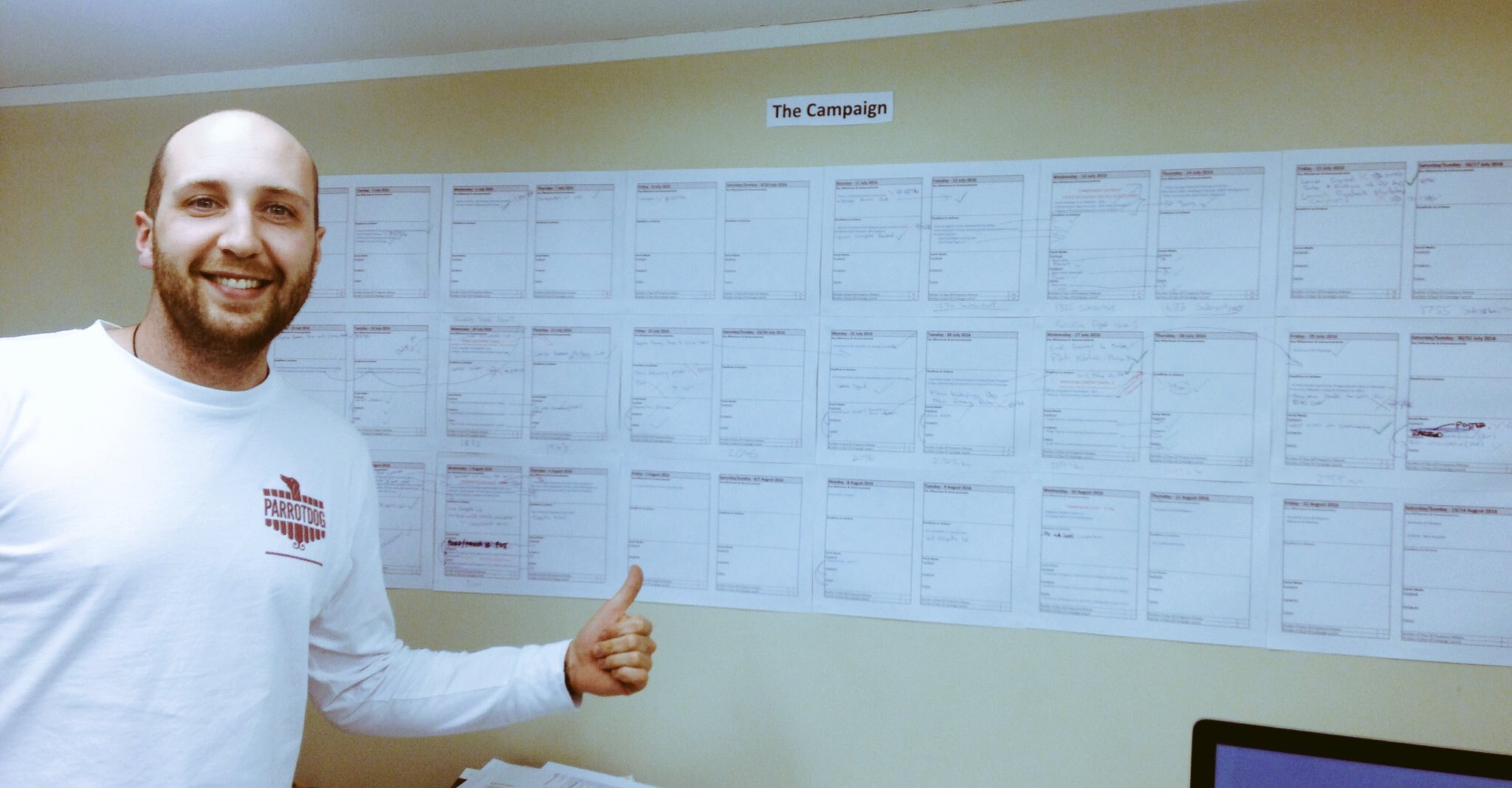
Parrotdog grew their investor newsletter from 800 to 4,000 subscribers before their equity raise, released the offer document a week early, and lined up media coverage before day one. They hit their minimum in 12 hours.
Neither of those was a lucky break. Both were the payoff of quiet, consistent preparation.
Please, Ask for Help!
“Don’t be afraid to ask for help as you prepare. Other founders who came before you will often have coffee and share their experiences, and people in your own crowd may have the skills you need.” – Anna Guenther, co-founder, PledgeMe
Honestly, the NZ founder community is one of the most generous we’ve come across. Reach out to someone who’s raised before, and most of them will make time for you. And take a proper look at your own crowd, your customers, your followers, your early fans, there’s a good chance an accountant, a lawyer, a marketer, or an investor is already in there. You just haven’t asked yet.
If you’re ready to get serious about your raise, the Physical Product Field Guide walks through every funding pathway available to NZ product founders, from bootstrapping and rewards crowdfunding through to angels, equity raises, and growth capital.